


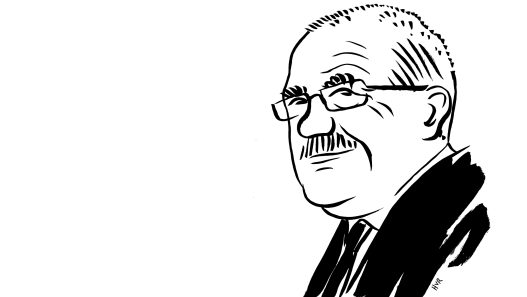


British Prime Minister Keir Starmer could announce the timetable for his departure as head of government as early as Monday, 22 June, The Observer and The Telegraph report, citing several sources.
According to the newspapers, Starmer has concluded that his position has become untenable following a series of consultations with senior Cabinet ministers, party advisers, major donors and trade union leaders. One Labour source quoted by The Observer described the Prime Minister as “resigned” to stepping down: the support is no longer there, and maintaining the current course is seen within the party as unsustainable.
Starmer is spending the weekend at Chequers, the official country residence, with his wife Victoria, reflecting on his future. According to a government source, the Prime Minister has come to realise that “the game is up” and is now focused above all on preserving his political legacy. So far, neither Starmer nor Downing Street has confirmed the reports, and the situation remains unsettled.
Pressure Builds Within the Cabinet
The Telegraph reports that at least five Cabinet ministers have privately urged the Prime Minister to set a date for his departure, among them Transport Secretary Heidi Alexander, Foreign Secretary Yvette Cooper and Home Secretary Shabana Mahmood. A Labour MP regarded as loyal to Starmer did not rule out that an announcement about the timing could come as early as the start of the week.
Not everyone in government shares this mood, however. Business and Trade Secretary Peter Kyle dismissed the suggestion that the Prime Minister had lost his authority and was no longer able to carry out his duties. To support his point, he pointed to the G7 summit on 15–17 June, where Starmer held talks with Indian Prime Minister Narendra Modi. According to Kyle, it was precisely these meetings that made it possible to finalise a difficult trade agreement with India, a result, he stressed, that cannot be achieved without the respect of one’s partners.
Who Could Succeed Starmer
The frontrunner to lead the party, and potentially to become Prime Minister, is said to be Greater Manchester Mayor Andy Burnham. On 18 June, he won the Makerfield by-election with around 55% of the vote, returning to Parliament and emerging as a serious contender to replace the sitting head of government. According to The Telegraph, it was Burnham’s victory that triggered a “noticeable shift” among ministers and prompted Starmer to reconsider his earlier intention to stay on.
Other potential candidates for the party leadership reportedly include Wes Streeting, David Lammy, Shabana Mahmood, Angela Rayner and Ed Miliband.
How the Crisis Built
Starmer’s position weakened after Labour’s rout in the May local elections, where the party ceded a significant share of the vote to Nigel Farage’s right-wing populist Reform UK, losing more than a thousand council seats. Against the backdrop of those results, more than 80 Labour MPs called on the Prime Minister to step down or set out a timetable for his departure.
The crisis was further compounded by a series of resignations within the government: in May, Health Secretary Wes Streeting left the Cabinet with a sharp critique of Starmer’s leadership, and in June, Defence Secretary John Healey followed, citing disagreements over defence spending. All of this is unfolding against a backdrop of economic stagnation, a cost-of-living crisis and a sense that the country has lost its former global influence.
The situation also drew the attention of US President Donald Trump, who wrote on Truth Social that Starmer would resign, though he offered no evidence to back up his claim.
