


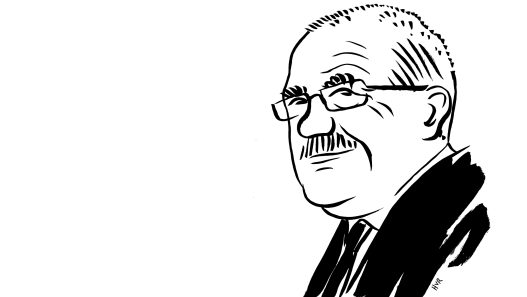


Ten days ago, Péter Magyar defeated Viktor Orbán in elections in Hungary. He has not yet taken office as Prime Minister (this is expected on May 9), but he has already outlined his key priorities, ranging from foreign policy to the reform of domestic institutions.
The main signal is a turn toward the West. Magyar has pledged to halt the country’s withdrawal from the International Criminal Court, a process initiated under Orbán in the context of a visit by Benjamin Netanyahu. Unlike the previous government, he stated that Hungary would respect the Court’s decisions, including the possible execution of an arrest warrant.
On the European front, Magyar has adopted a more pragmatic stance. He said he would not block the EU’s €90 billion loan to Ukraine. At the same time, he emphasized that Hungarian funds would not be used in this mechanism, seeking to balance Brussels’ expectations with domestic political constraints.
At the same time, he intervened in the energy dispute surrounding the Druzhba pipeline. On April 20, Magyar called on Kyiv to resume oil flows, and two days later Volodymyr Zelensky announced the restoration of transit. Supplies had been halted since late January. This rapid resumption marks the first tangible outcome of his new policy line. At the same time, Magyar is not breaking with Moscow: he reaffirmed a policy of “pragmatic cooperation” with Russia, stressing that Hungary’s economic interests would be preserved. Nevertheless, his victory is already seen as a setback for the Kremlin in Europe, as Orbán had been considered one of its key allies within the EU.
Domestically, Magyar has pledged to introduce a two-term limit for the office of Prime Minister, effectively closing the door to Orbán’s return to power. He has also demanded the resignation of key figures appointed by the previous government, including President Tamás Sulyok, giving them until the end of May before threatening to remove them using his constitutional majority.
Another priority is media reform. Magyar accused public media of serving Orbán’s interests and announced the suspension of news programming, to be followed by the adoption of a new media law. This move is directly linked to efforts to unlock EU funding frozen over concerns in Brussels about the rule of law in Hungary.
The economic factor remains central. In recent years, Hungary has missed out on around €17 billion in EU funds. Magyar has already held talks with Ursula von der Leyen and pledged to accelerate the reforms needed to release these funds. The deadline for meeting these conditions is set for the end of August, imposing a very tight timeline on the incoming government.
Finally, he announced institutional changes within the executive. In particular, he plans to restore separate ministries of health and education, which under Orbán had been integrated into the Ministry of the Interior.
